

Short Answer
In the first hours after water damage: keep people safe, stay away from water near electricity, stop the source only if you can do it safely, document what you see, and get standing water removed so drying can begin. Water extraction removes unwanted water before drying and cleanup continue.Step By Step
- 1
Put Personal Safety First
If water is rising, the structure looks unsafe, or you smell gas, leave the area and call the appropriate emergency service. Belongings can wait.
- 2
Stop Or Isolate The Source, Only If Safe
If the source is a supply line or fixture and the shutoff valve is easy to reach without standing in water near electricity, turning it off can limit the damage. If you are unsure, do not attempt it.
- 3
Avoid Electrical Hazards
Do not walk through standing water where outlets, cords or appliances may be submerged. Do not touch the electrical panel if you are standing in water or the area is wet. Contact your utility or a licensed electrician if power needs to be shut off and you cannot do it safely.
- 4
Keep People And Pets Away
Keep children and pets out of wet areas. Water can hide hazards, and floodwater from outside may be contaminated.
- 5
Document What You See
When it is safe, take photos and video of affected rooms, materials and belongings before they are moved. This can be useful for your own records.
- 6
Protect Belongings Only When Safe
If you can do so without risk, move small items and valuables out of wet areas and lift furniture off wet carpet.
Why Standing Water Should Be Addressed Quickly
The longer water sits, the more it soaks into flooring, drywall, cabinets and subfloors. Removing standing water promptly makes the drying process that follows more manageable. Opening windows and running fans can help air movement, but they do not remove water that has already soaked into materials.
What Restoration Typically Involves
- Water Removal And Extraction
- Structural Drying
- Cleanup
Water Removal And Extraction
Standing water is pumped or extracted from floors, carpet and other surfaces. This is the first and most urgent stage.
Structural Drying
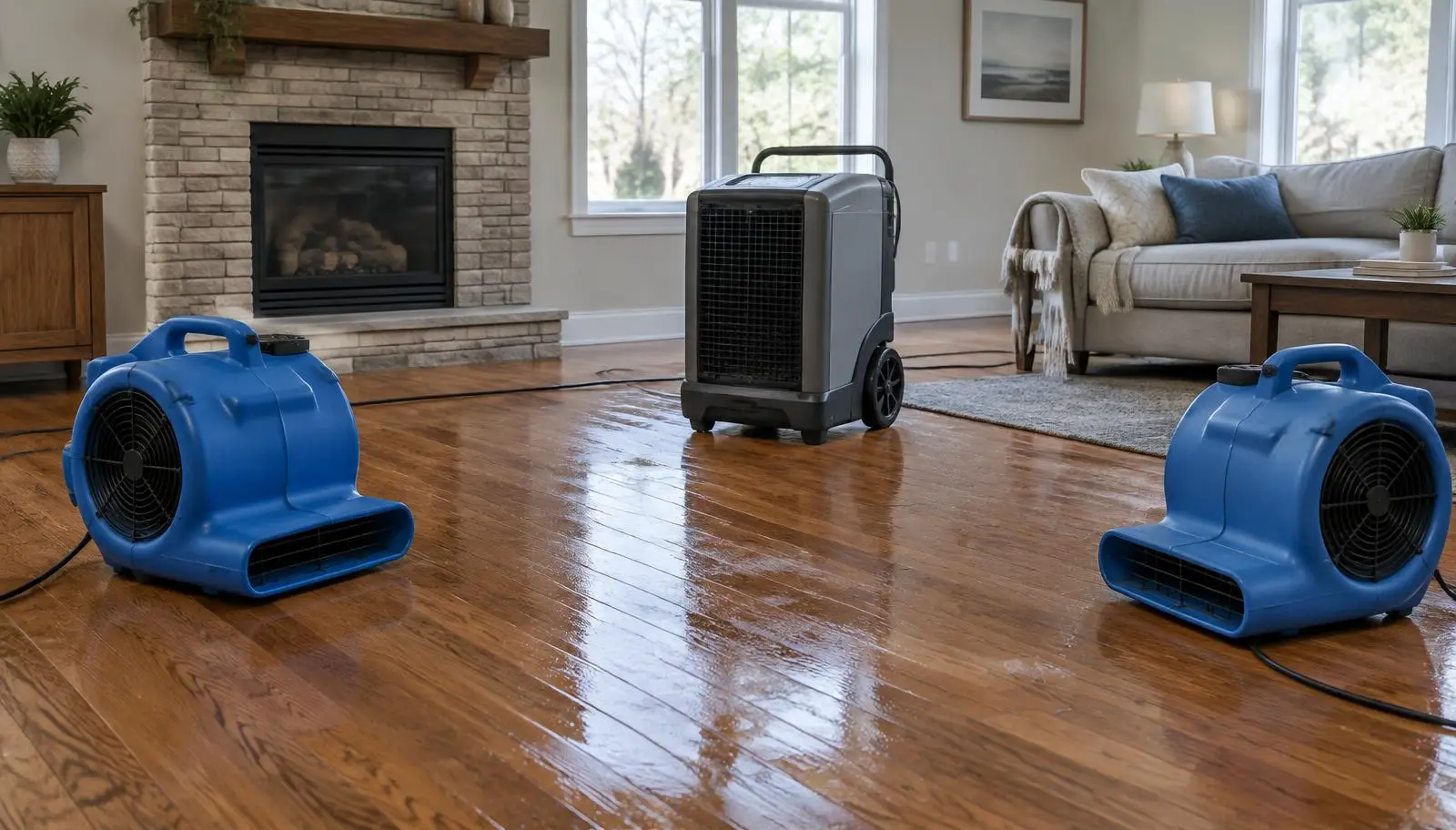
Air movers and dehumidifiers dry the affected materials and the air around them. Drying takes time, and materials that look dry on the surface may still hold moisture underneath.
Cleanup
Once the area is dry, affected surfaces are cleaned so the space can return to normal use.
When To Call For Professional Help
A small spill you can wipe up is one thing. Water that has spread across a room, soaked carpet or reached walls, or water in a basement or commercial space is usually worth a professional assessment. So Fresh So Clean provides flood and water damage restoration for homes and businesses, covering water removal, extraction, drying and cleanup. Service is available 24/7, and you can reach us at 385-832-6040.
We serve five Utah counties. See the areas we serve to confirm coverage for your location.
Helpful References